
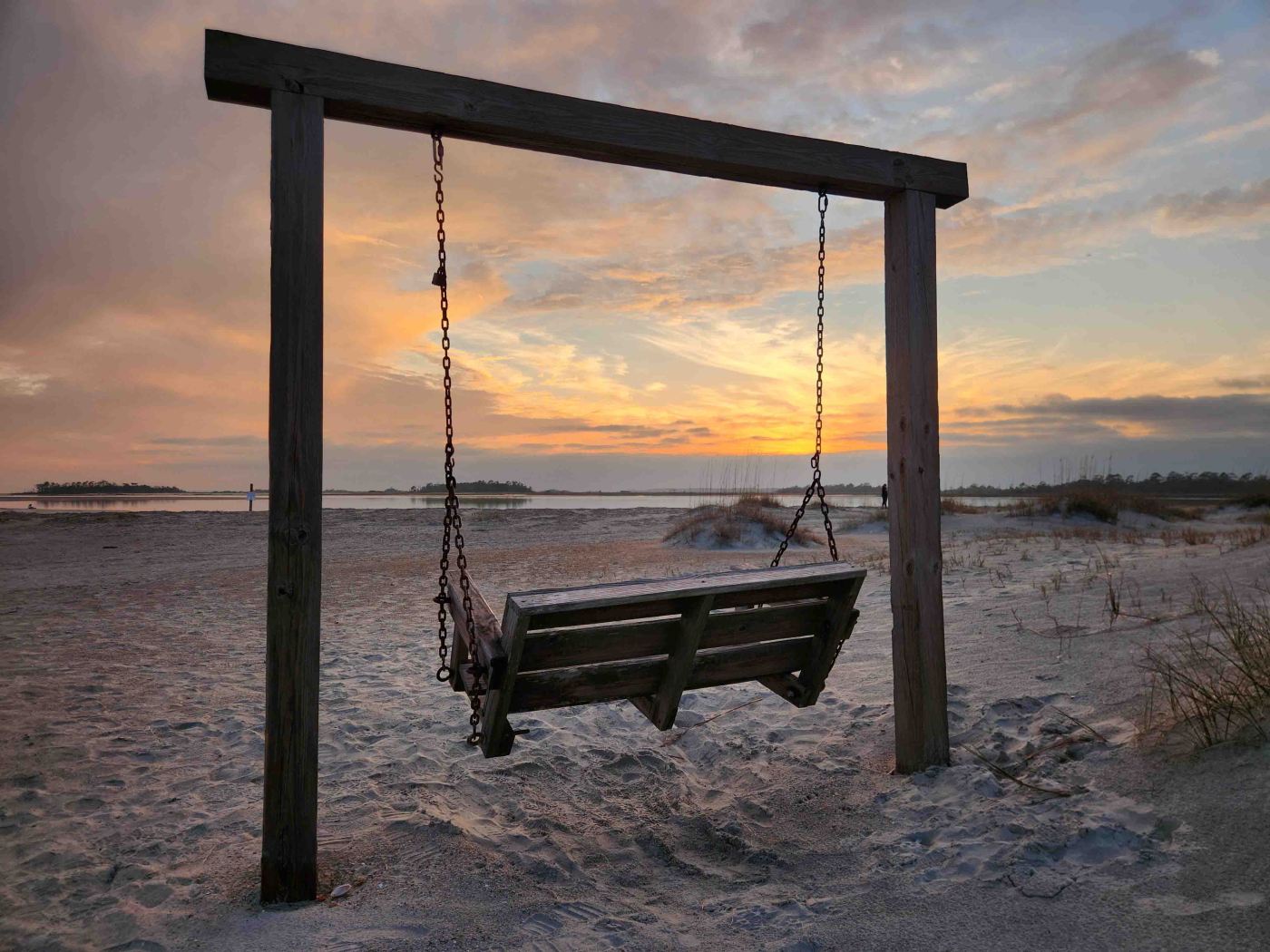
2024 is shaping up to be a big year for me! I’ve been managing my deteriorating musculoskeletal system for quite some time, but I’ve gotten to the point where I need surgical intervention – again. Kind of like retirement, people who have had joint replacements have told me, when it’s time, you’ll know. My quality of life, and the pain I experience while riding, has determined that it is my time. I will be getting a total hip replacement this spring, and a total shoulder replacement in the winter. Since my riding year will be truncated, I decided I needed one long, two-wheeled road trip to complete some unfinished business before I start the process of becoming a bionic woman 🙂
What business, you ask? My thwarted effort to complete a modified “USA Four Corners Tour.” The sanctioned challenge requires visiting the four farthest cities in the contiguous U.S. within 21 days, but y’all know me, I like to lollygag on rides so, my aim has always been to visit the cities, not just pass through them, which makes my effort very unofficial. During my epic retirement ride in 2022, I managed to visit three of the cities: Madawaska, Maine; Blaine, Washington; and San Ysidro, CA. Hurricane Ida, however, made it impossible for me to ride to Key West back then, thus the “unfinished business.” With temps in the upper 40s, and a steady drizzle punctuated by pouring rain, I rolled out of my driveway the first week of March and headed south to visit the fourth corner of Key West, FL.
First stop was Beaufort, SC, and the sea islands. This region, that includes islands on the eastern seaboard from South Carolina to Florida, was originally stewarded by dozens of Native American tribes prior to colonization, whose names still grace prominent landmarks, such as Pee Dee, Santee, Catawba, and Cherokee. The forced displacement of these tribes to make way for European settlers and commerce, resulted in something called Gullah Geeche. Since hearing about this culture a couple of years ago, I’ve wanted to learn more, so off to the sea islands I went.

Several stops at Reconstruction Era National Historical Park sites helped to illuminate the story of slavery, war, emancipation, education, and the disenfranchisement of the region’s African Americans. I started off with a NPS Ranger-led walking tour of the National Historic Landmark District of Beaufort. Numerous restored antebellum homes and live oaks dripping with Spanish moss line the main thoroughfare of the district. Though the homes are aesthetically gorgeous, the ugliness of exploitive physical labor required to build and maintain them overshadowed their beauty in the eyes of this beholder.

The park is spread out over several locations, so I rode out to St. Helena Island to visit the Penn Center, which served as a school to educate formerly enslaved West Africans, for whom obtaining literacy had been against the law. The school was part of the “Port Royal Experiment,” a humanitarian effort undertaken after Union troops seized control of the Sea Islands, to prepare former slaves to participate as free citizens in American civic life after emancipation. The final stop was Camp Saxton, on Port Royal Island. The camp is where the 334d U.S. Colored Troops organized and trained and was the site of the reading of the Emancipation Proclamation on Jan 1, 1863 in a stand of live oaks.

After thorough exploration of Reconstruction Era Park, the skies finally cleared and I headed to Georgia.
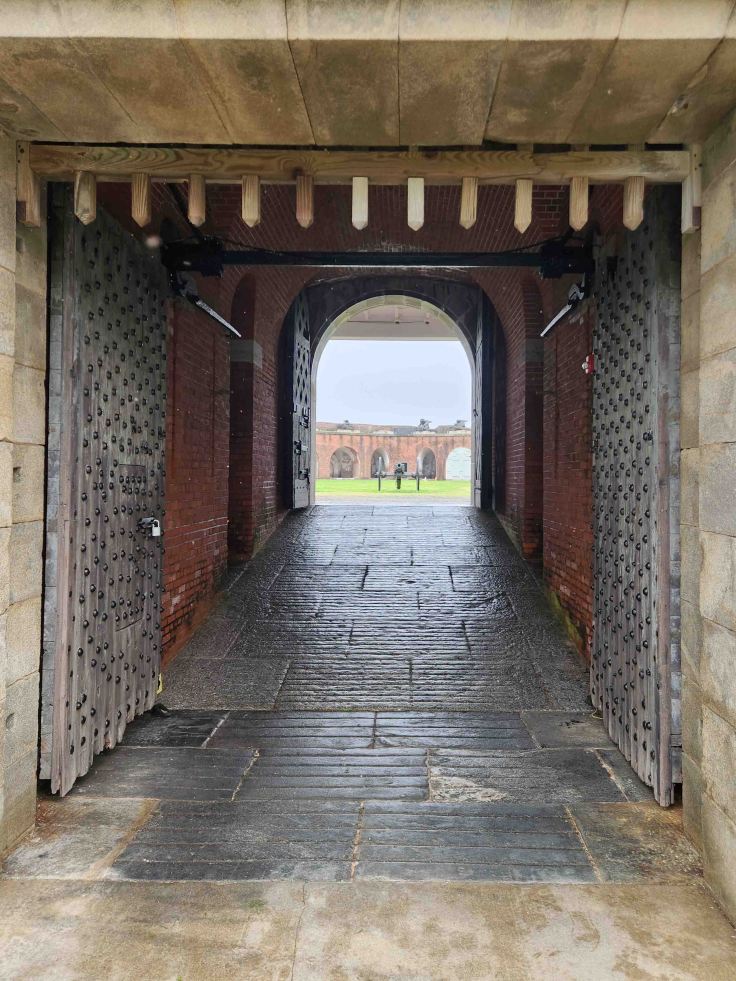
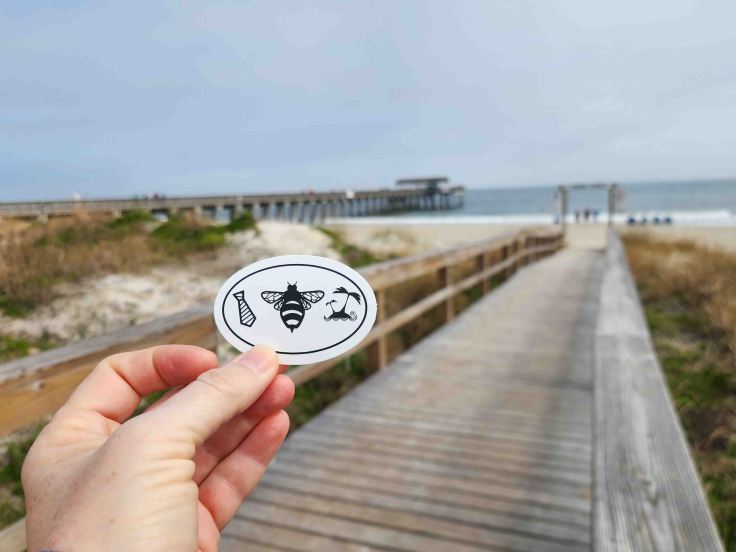
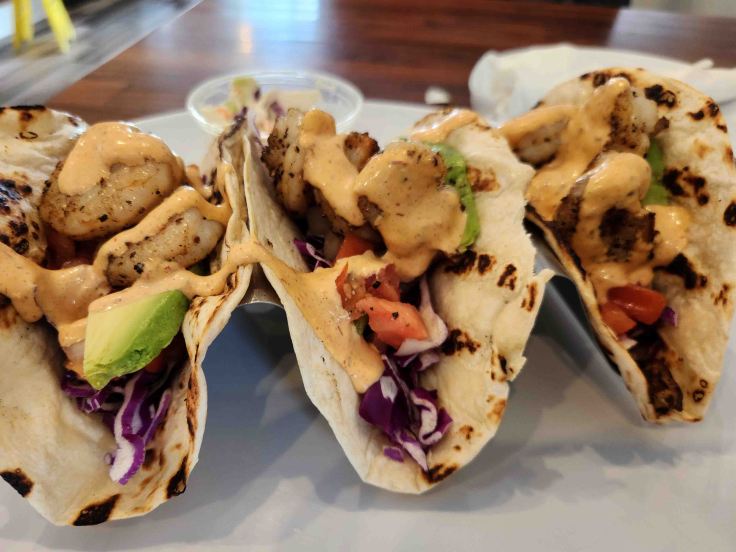

Feeling relaxed and ready to move on after a few days at the beach, I continued south to ride a few scenic byways, so stay tuned!
 FitHippie Adventures
Leave a comment