

Route planning for Florida was pretty straight forward – ride Highway A1A (and Hwy 1 in some parts) along Florida’s Atlantic coast until I tired of stop-and-go beach town traffic. Sections of this iconic stretch of pavement, running from Fernandina Beach in the north, down to Miami in the south, are designated as both state and national scenic byways. Though not continuous (there are undesignated sections of A1A sprinkled along the coast), there are five sections that are official scenic byways. From north to south:
#1 A1A Ocean Islands Trail Florida [State Byway] – 40-mile section between Fernadina Beach and Jacksonville Beach
#2 A1A Scenic and Historic Coastal Byway [Federal All-American Road] – 72-mile section between Ponte Vedra and Bulow Plantation Ruins State Park
#3 Ormond Scenic Loop and Trail [Federal Byway] – 36-mile double-loop section between North Peninsula State Park and Ormond Beach
#4 Indian River Lagoon National Scenic Byway [Federal Byway] – 150-mile loop section between Titusville and Wabasso
#5 Broward County A1A Scenic Highway [State Byway] – 32-mile section between Deerfield Beach and Golden Beach
Here’s the highlights from my ride of each section. . .
SECTION #1: A1A OCEAN ISLANDS TRAIL
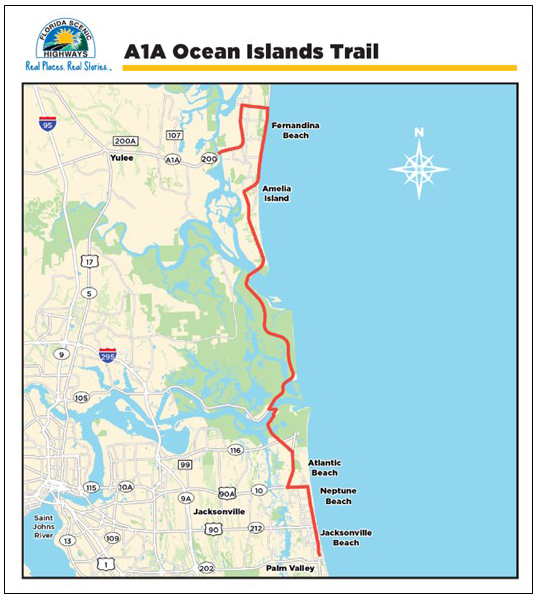
Often referred to as “Florida’s First Coast,” this portion contains over 400 historic places and traverses the cities of Fernadina, Mayport, Atlantic, Neptune and Jacksonville Beaches. I didn’t stop at Timucuan Ecological and Historic Preserve on this trip since I had visited several of its sites a couple of years ago, but if you’re planning to visit this area, it is definitely worth a stop to learn about prehistoric Native Timucua culture, 16th century French colonists, plantation life and slavery, Gulla Geechee communities, and nature conservation efforts.

SECTION #2: A1A SCENIC AND HISTORIC COASTAL BYWAY

This federally designated All-American Road picks up just south of Jacksonville at Ponte Vedra Beach. You would think 72 miles would be quick to cover, but with numerous state parks, National Park Service sites, wildlife trails, national preserves, museums, archeological sites, and public access beaches, there was no way to take in all this section of historic Highway A1A had to offer in just one day!

SECTION #3: ORMOND SCENIC LOOP AND TRAIL NATIONAL SCENIC BYWAY

The Ormond Loop section begins just south of Flagler Beach near North Peninsula State Park and takes you through three different environments via a double loop: ocean beaches on the eastern leg (Hwy A1A), up-scale riverfront neighborhoods on the central leg (John Anderson Dr.), and an oak and palmetto tree lined road on the western leg (Old Dixie Hwy). It was so gorgeous that I ended up riding parts of the loop twice!
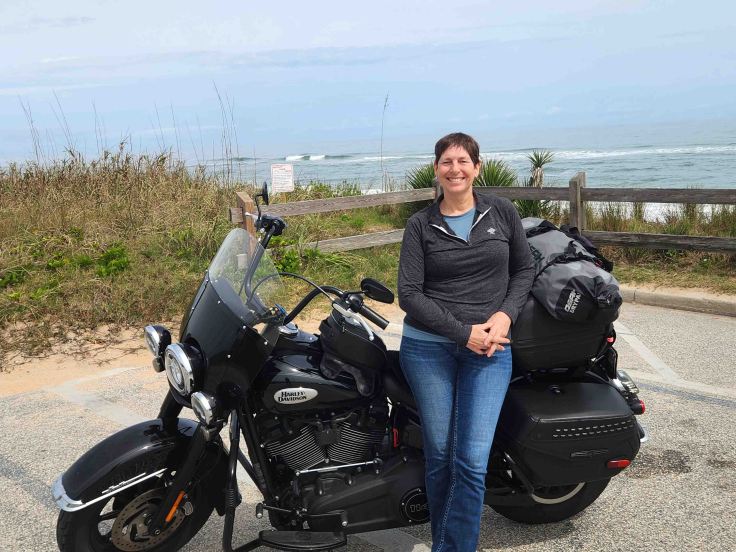
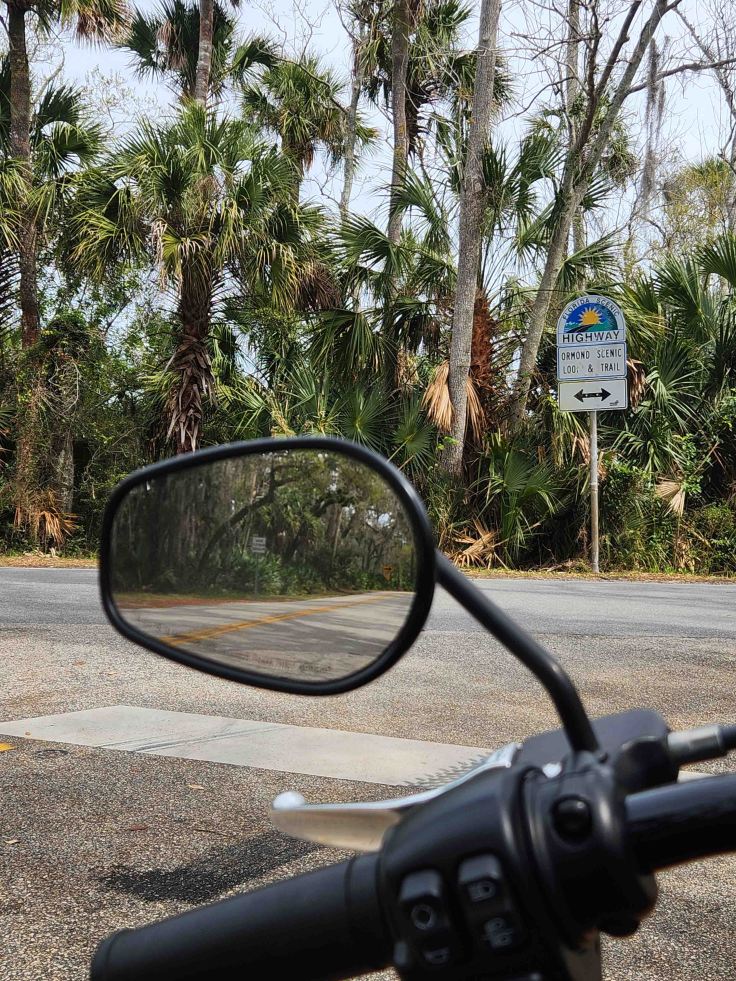
The Ormond Loop terminates just north of Daytona Beach, where I stayed for a few days for Daytona Bike Week. I don’t usually attend bike rallies, but Harley-Davidson was sponsoring a few women’s events that I wanted to attend, so I chose lodging near the majority of motorcycle manufacturer vendors, and away from the bars. Although still people-y, staying away from the bar-lined Main St. made my experience with the famous bike week quite enjoyable.

SECTION #4: INDIAN RIVER LAGOON NATIONAL SCENIC BYWAY
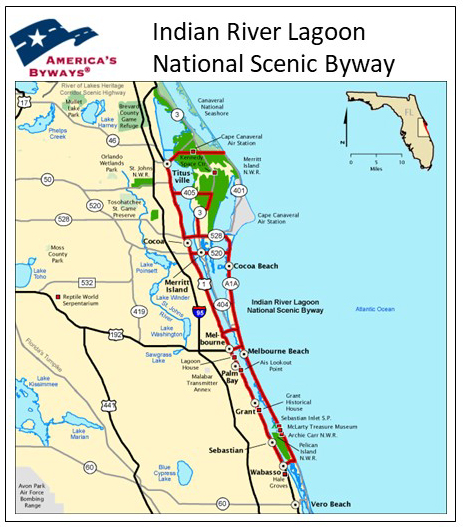
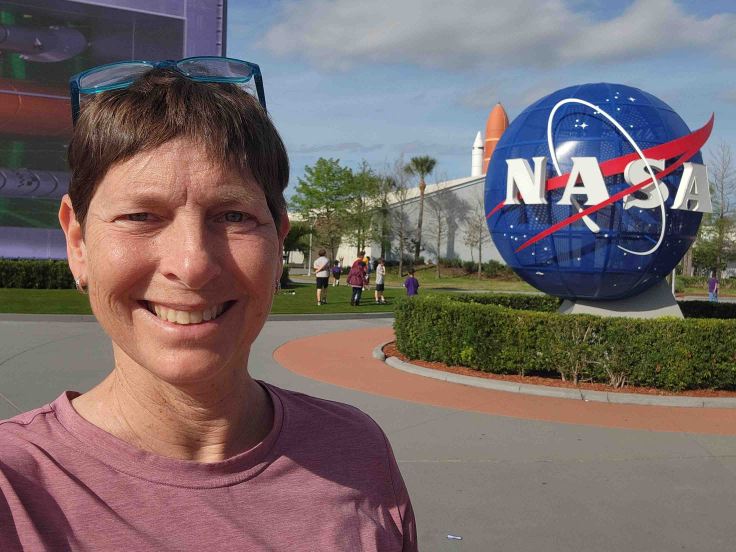
The last designated byway section of 1A1 before hitting south Florida’s big cities, the Indian River Lagoon National Scenic Byway, is home to habitat for the most diverse collection of species anywhere in North America, a national seashore, NASA, and an endless collection of gorgeous beaches.

All the joint movements required for travel through stop-and-go beach towns really took a toll on my hip and shoulder, so I decided to forego section #5 through Broward County. After spending the night in Fort Pierce, I jumped off Hwy A1A to bypass Palm Beach, Boca Rotan, Fort Lauderdale, Hollywood, and Miami on my way south.
It was time for a few low-mileage days and for some time off the bike, so I decided to homestead in Homestead, FL for a few days to visit two nearby National Parks. Up next: Everglades and Biscayne National Parks.
 FitHippie Adventures
Leave a comment