
Now that I’ve been back home for a couple of weeks and have settled in, I have had sufficient time to reflect on, and miss, the cuisine of Costa Rica. I ate a lot of amazing food during my time there, but there are a few staples that stand out. I’m sure that these are served with different variations throughout the country, but what follows is based on my experience in restaurants and at my host’s house, in Quepos, and shouldn’t be interpreted as an all-encompassing review of Costa Rican food across the country. OK, disclaimer out of the way, let’s jump in!
Gallo Pinto (pronounced GA-yo-PIN-tow)
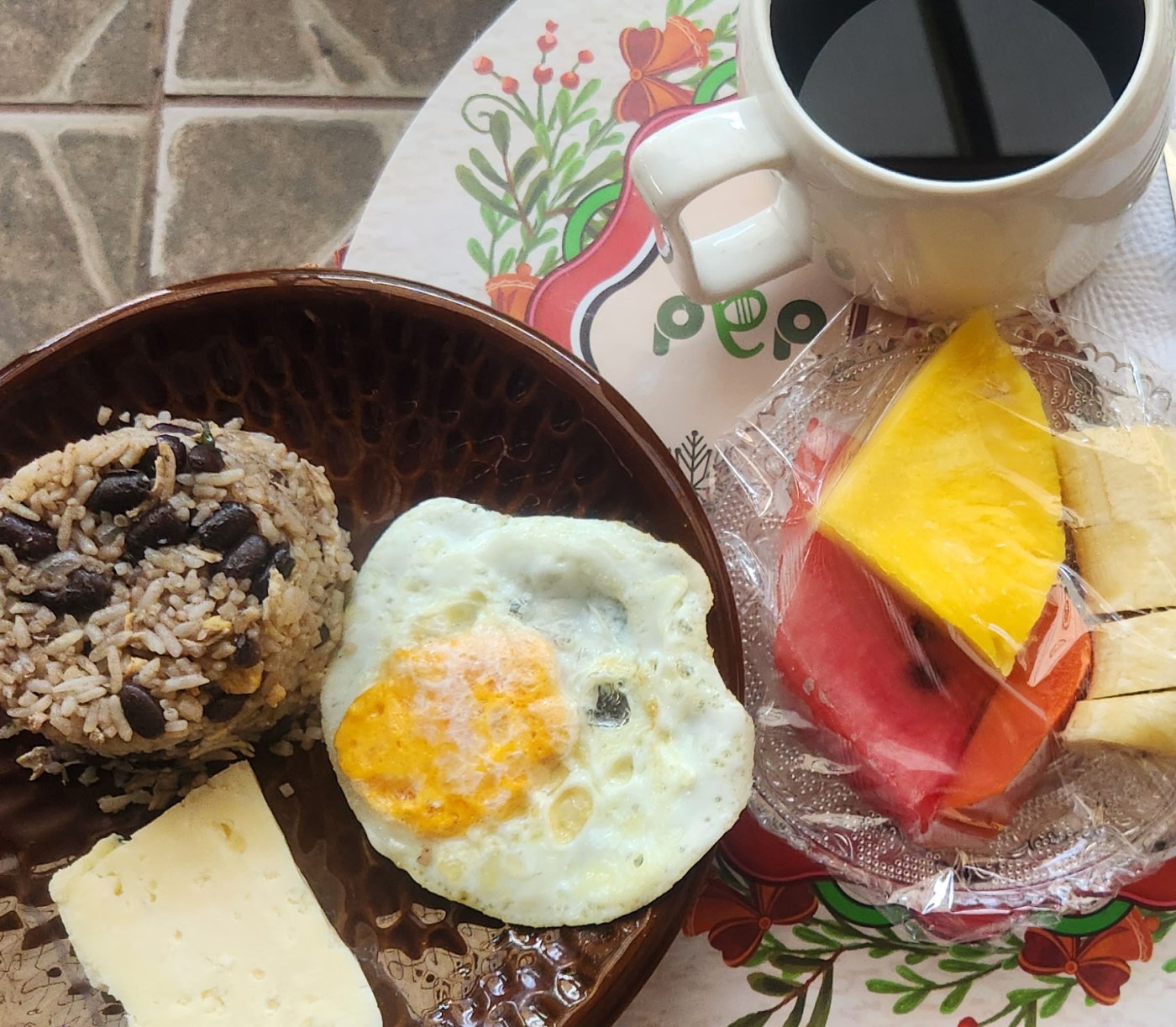
Gallo Pinto looks like the feathers of a spotted rooster, which is what it literally translates to. The national dish of Costa Rica, this essential breakfast feature uses leftover beans and rice from the previous day’s dinner. It’s prepared by throwing some chopped onions, bell pepper, coyote cilantro and Lizano salsa into a pan with the beans and rice, stir-fry style. I really like the taste, and staying power, of beans and rice for breakfast and have incorporated it into my meal rotations back at home.

Casado (pronounced kah-SAH-doh)
Casado is the quintessential Costa Rican lunch and literally translates to “married” or “married man,” indicating its roots as a meal prepared by wives for their husbands to take to work with them. Always accompanied with picadillo, Costa Rica’s version of this classic Latin American dish differs from other countries in that, when served as a side dish, picadillo is comprised of vegetables only, no ground meat. The main vegetable (potato, ayote, green papaya, etc.) is chopped into tiny cubes and cooked with bell peppers, onions, and the ever-present cayote cilantro.

Ceviche (pronounced suh-VI-chey)
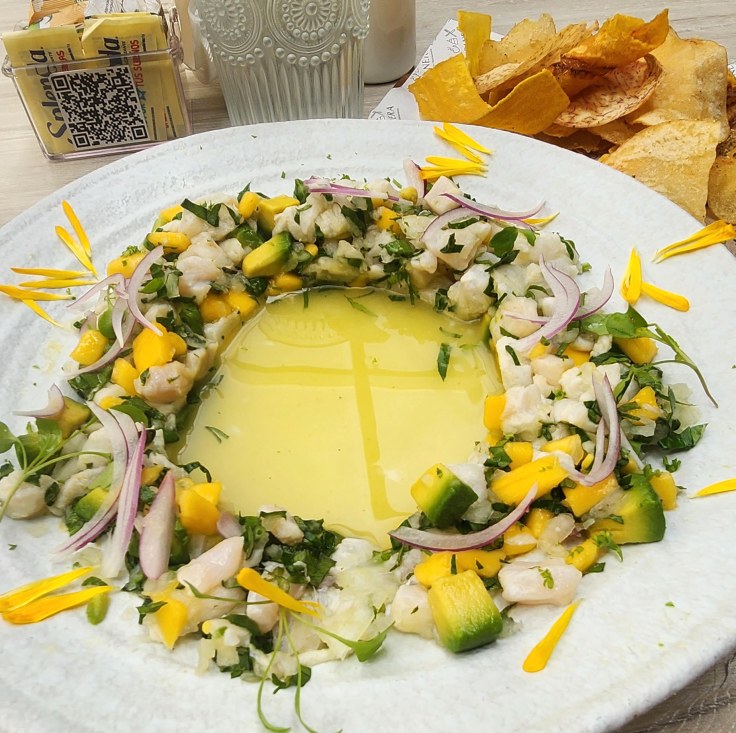
Ceviche is a dish of raw seafood marinated in citrus juice. The acid of the juice changes the structure of the protein, similar to that produced by heat. The result is seafood with a firmer texture and more opaque appearance. The lowered pH produced by the citric acid inhibits bacteria growth, the same concept used in pickling. There was also a “fast food” version called caldosa, which is ceviche poured into a single-serve size bag of picaritas (Costa Rican chips), and eaten with a spoon while standing. Caldosas reminded me of U.S. chile-fritos (chili poured into a bag of Frito corn chips), just a lighter version 😊
Empanada (pronounced ehm-pah-NAH-dah)
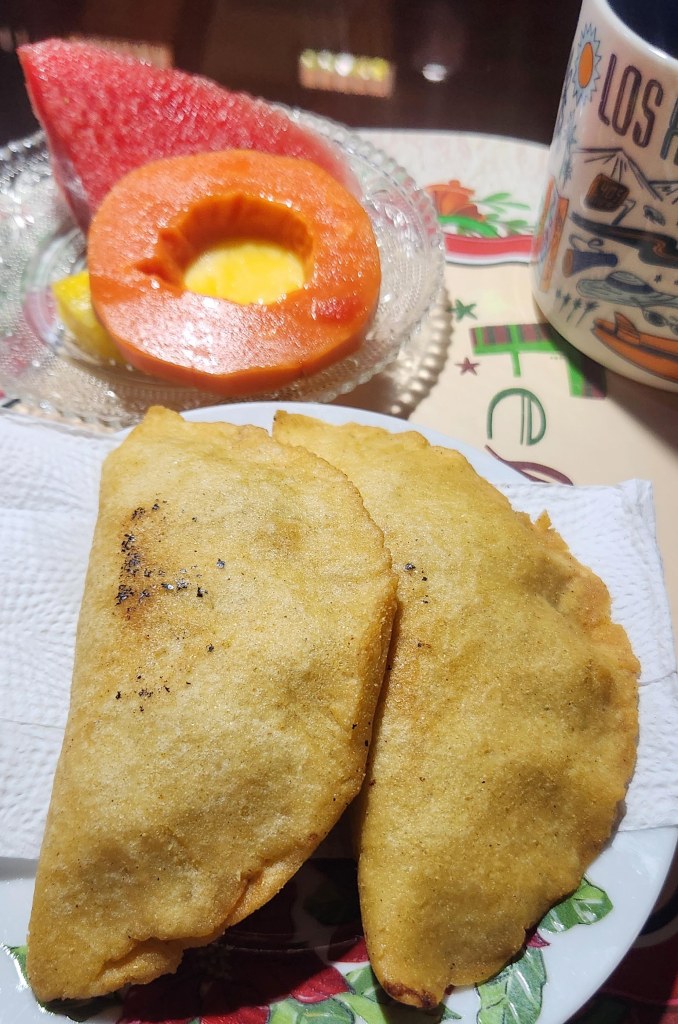
Other than breakfast, these fried, savory turnovers are typically served as a snack or an on-the-go food, not as a main entree. Various ingredients like cheese, meat, bean paste, etc. are placed on a made-from-scratch corn tortilla, then folded in half and deep fried.

Patacon (pronounced pah-tah-KOHN)
Thought to have gotten its name by resembling colonial era coins, patacones are twice fried plantains. My host walked me through the steps of cutting up a green plantain and deep frying the chunks, making sure to flip them over so each side got sufficiently cooked. Once they have cooled enough to handle, you smash the fried chunks with a tortilla press, then deep fry again. And yes, flip them over again! What you get is a pulpy disc perfect for dipping into sauces and soft foods.

Chilera (pronounced chee-LEH-roh) and Lizano Salsa
Two condiments found on EVERY table at which I dined (commercial and residential), were Chilera and Lizano Salsa.

Tropical Fruits
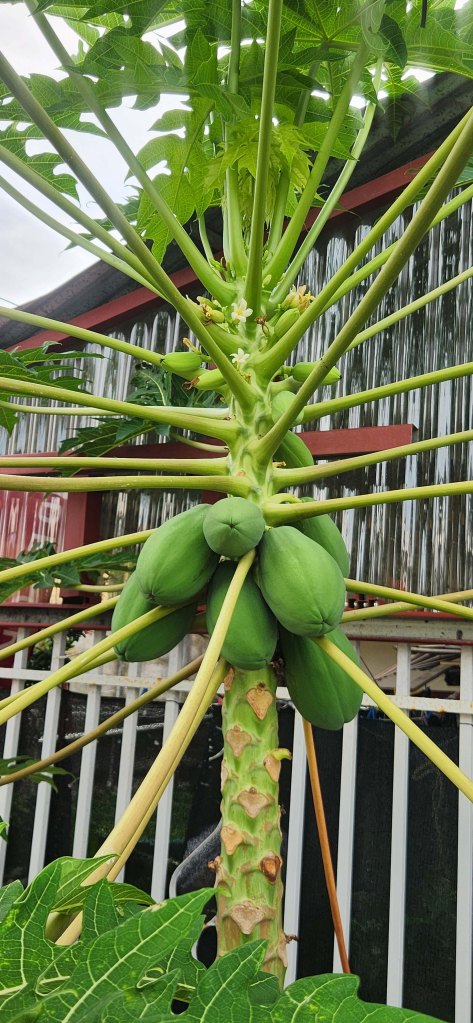
As you would expect in a tropical climate, fruits are abundant and delicious! Local Supermarcados (Supermarkets) and Ferias de Agricultor (Farmer’s Markets) are chock full of recognizable, as well as unfamiliar, exotic fruits. Fresh mango, papaya, banana (banana), plátano (plantain), manzana de agua (water apple), sandia (watermelon), piña (pinapple), guayaba (guava), granadilla (passion fruit), uchuva (goldenberry), coco (coconut), mamón chino (rambutan), pitaya (dragon fruit), maracuyá (passion fruit), aguacate (avocado), tamarindo, and so many more are readily available.
Non-alcoholic Drinks
I chose to eliminate alcohol from my life about seven years ago, so I can’t comment on the adult beverages. But, I can comment on a few other drinks!
Jugo or Refresca Natural
My host would often blend up whatever fruits she had to make fresh, natural juice. My favorite was watermelon juice!
Horchata
This drink is creamy like a milkshake, but is dairy free. It gets it thick consistency from rice. Arroz (rice) is soaked in water until soft, then blended with fruit, water, sugar, and cinnamon. My host often made piña (pineapple) horchata. It’s often drank as a way to quiet an upset stomach.
Agua Dulce
Straight up sugar cane water!
Café
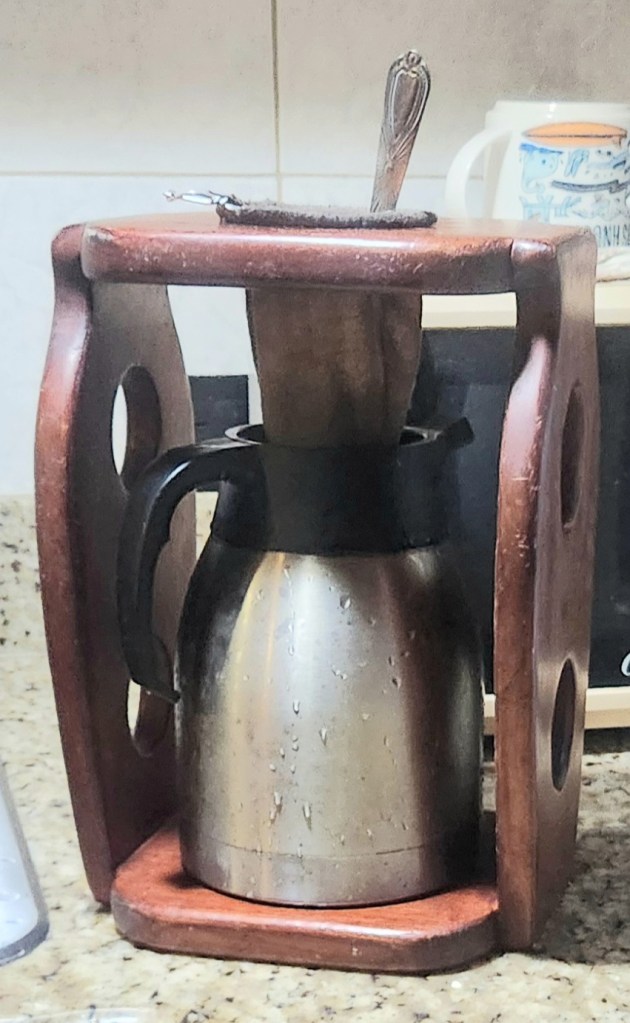
Of course, some of the best coffee in the world comes from Costa Rica. My host would only make coffee using a traditional chorreador, a device used for drip coffee (think pour-overs). It is a slow, laborious process, but it makes delicious java! The chorreador is a simple wooden stand used to hold a bolsita, which is a cloth filter suspended over a cup or carafe. First, you have to boil water, then slowly pour it over the ground coffee in the bolista. The water seeps through the coffee grounds and through the fabric of the bolista until it drips through into the container below (stirring with a spoon makes it go a little quicker). The process is purposefully slow, allowing you time to appreciate all the work it took to grow, harvest, and process the coffee beans. My host used a simple, unadorned homemade apparatus, but souvenir shops were filled with colorful chorreadors depicting tropical Costa Rican scenes.
Having had a 20 year career as a Dietitian, and having such a strong dislike of grocery shopping and cooking, is the very definition of irony! I enjoy cooking in a social setting, but I do not enjoy everyday food preparation. In the first few days with my host family, Carmen asked me what my favorite food was. My reply, through Google interpreter, was “Whatever someone else cooks for me!” Not having to cook for myself, and eating great meals three times a day (in a home and in restaurants), was just another highlight of my Costa Rican journey 🙂
 FitHippie Adventures
Great job here Karen.
LikeLiked by 1 person