I used the month of July to do what I refer to as “adulting.” There were numerous projects around the house that didn’t get done last year because of my surgeries, so I took this time to catch up on home maintenance. I also took advantage of having access to expertise at Burnout Alley and did a few things to my bike to make it more comfortable for longer trips (thanks Mike!). I’m absolutely enjoying my new suspension and relocated trunk on my latest adventure 🙂
First stops to points north:
Winchester, Virginia
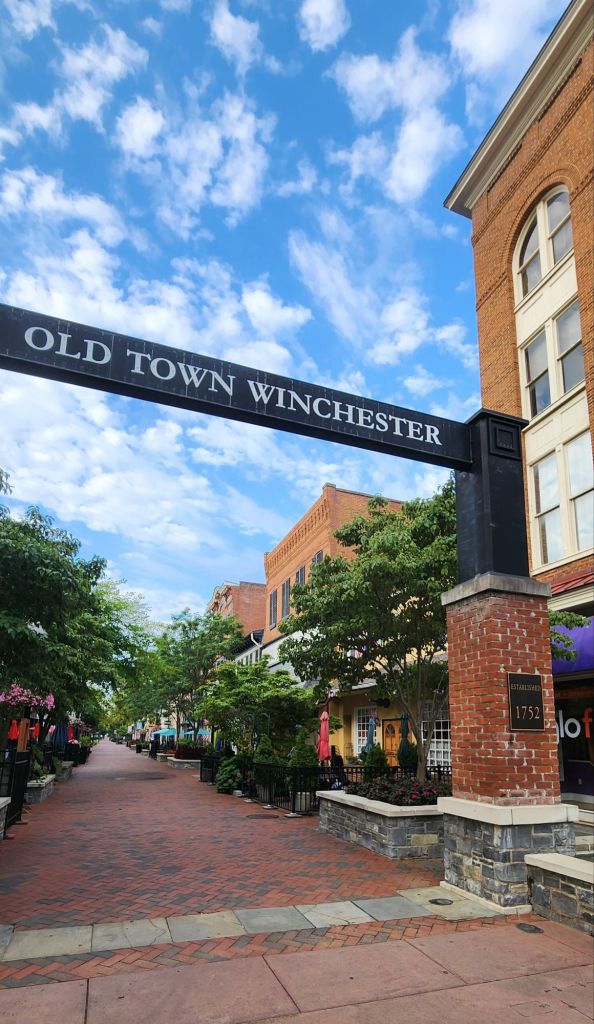
I hate to say it, but my first day of riding on this trip was just to get out of North Carolina and through Virginia. There’s not much I haven’t already ridden or visited along the western sides of these states, so I wasn’t sightseeing as much as I was simply transiting. Since I avoid interstate travel, I figured I’d ride north on secondary roads until I got tired. That point turned out to be in Winchester, Virginia. I had ridden through this town before, but had not stopped to see anything in it, so I decided to stay for the night and take in a few sights on the way out of town the next morning.
It was fascinating to learn about George Washington’s history with the town of Winchester. I knew that he served there for the French and Indian War, but I didn’t realize that he spent as much time in Winchester as he did his home between 1748 and 1758. The small log building he used as his headquarters while he was designing Fort Loudoun is still there and serves as the George Washington’s Office Museum. It was in Winchester that he “learned geography and topography, raised, commanded and supplied troops (including troublesome militia), built and managed a fort (Fort Loudoun), and achieved political office. Washington would also draw upon lessons learned in all of these experiences as war leader and President.” (MountVernon.org)

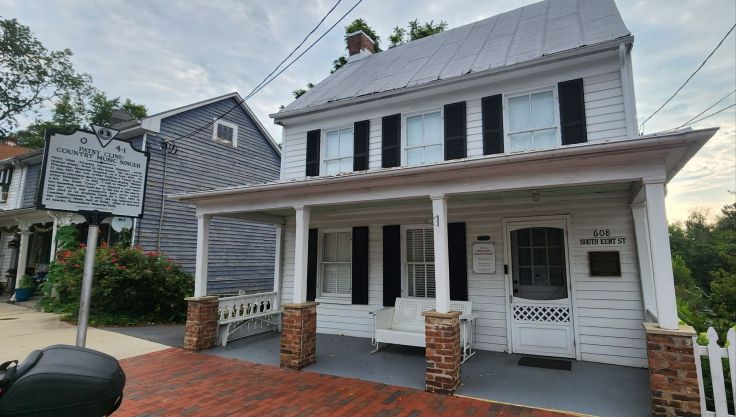
I grew up listening to country classics, and one of my favorite artists was Patsy Cline. Born Virginia “Ginny” Patterson Hensley in 1932 in Winchester, she moved to a modest house on Kent Street with her mother and sister in 1948. She lived in this house longer than any other place during her short life (she died in a plane crash in 1963 at the age of 30). She is buried at Shenandoah Memorial Park, not far from where the house she lived in when she started singing professionally. (Celebrating Patsy Cline)
Since Winchester wasn’t a planned stop on my ride north, I didn’t stick around long enough to really tour the town, but it was pretty cool to be able to learn a little history during such a short stop. I rolled out of town singing along to “Crazy” by Patsy Kline into my helmet 🙂
Carlisle, Pennsylvania
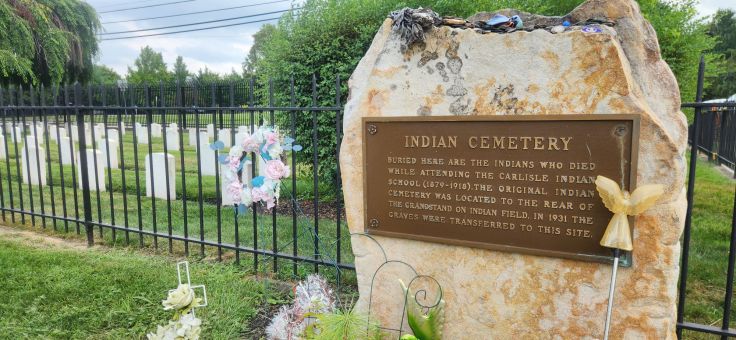
In 2024, the National Park Service added a new unit to its line up of National parks, battlefields, seashores, parkways, etc. – the Carlisle Federal Indian Boarding School National Monument. What a great reason to visit Carlisle! According to the NPS app, “the National Park Service will collaborate with families, affiliated Tribal Nations, the U.S. Army, historians, and partners to develop resources and share the story of the children, families, and communities impacted by Carlisle Federal Indian Boarding School.” Carlisle was one of 417 Federally funded boarding school sites across 37 states and (at the time) territories that operated between 1819-1969. The goal of these Federally funded schools was to replace traditional American Indian ways of life with mainstream American culture (“kill the Indian, save the man”) while providing an English education and occupational skills. Initially, children were forcibly removed from their homes and forced into these schools. Though students learned skills that proved useful later in life, the overarching lesson that their native cultures were inferior, often enforced by humiliation and abuse, decimated their culture, language, and self-esteem. (Dept. of Interior)
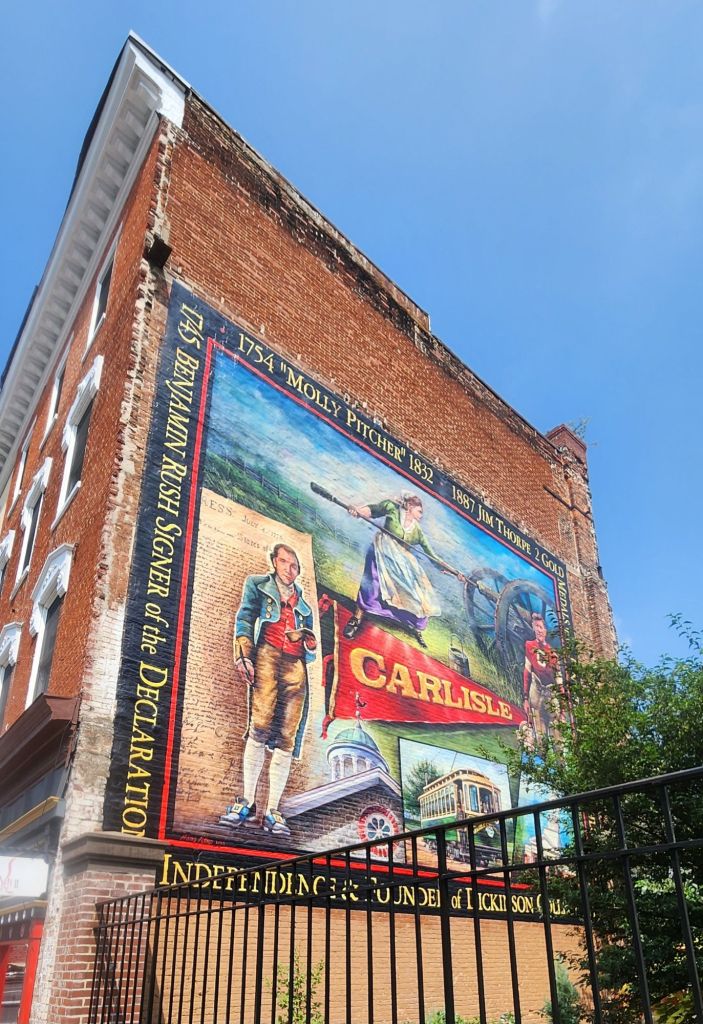
Disappointingly, not only was there no mention at all of the Indian Boarding School at Carlisle in the U.S. Army Heritage and Education Center on post, the staff manning the information desk had no knowledge of the buildings still on post that were built by boarding school students and used by the school (or about the school at all, actually), nor did the bookstore have a single reference for this time of the post’s history. Hopefully, this lack of staff knowledge and information will be corrected as the National Monument is developed.
Susquehanna River and Bunk-a-Bikers
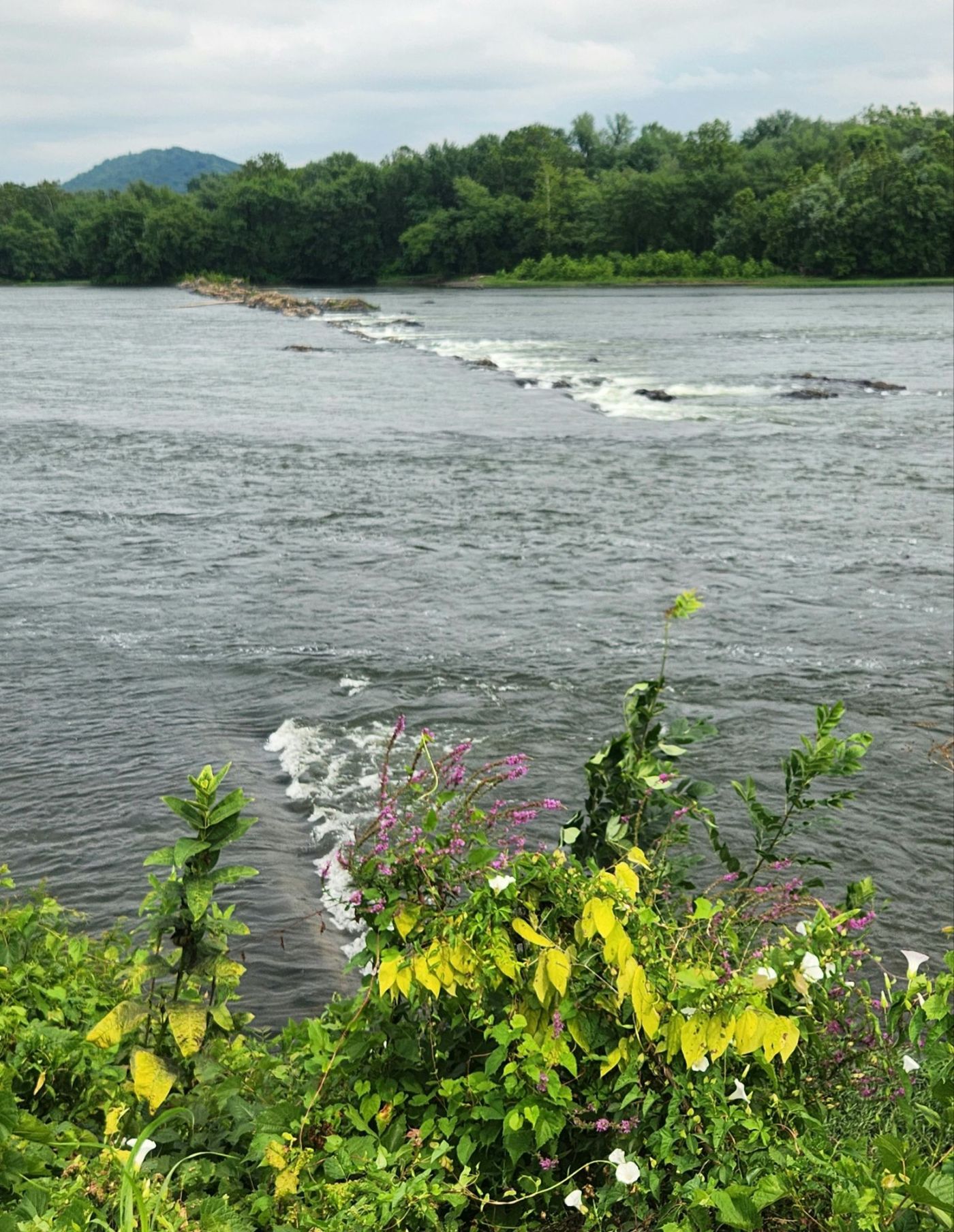
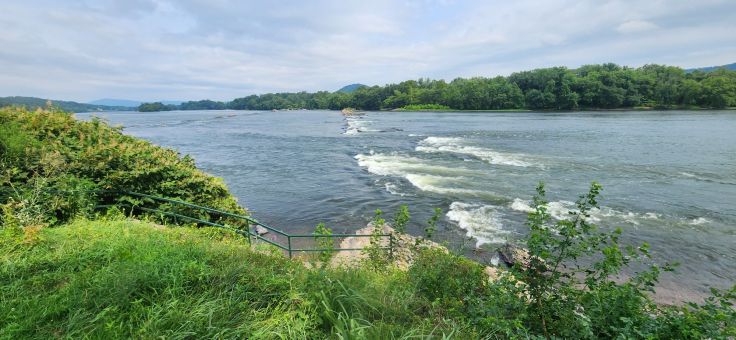
On the recommendations of Mike and Steve, my Pennsylvania-native friends at Burnout Alley, I traveled east from Carlisle where I picked up US-15 and followed it north along the west bank of the Susquehanna River. True to their descriptions, the 500+ primitive islands scattered in the river made beautiful scenery for my ride.
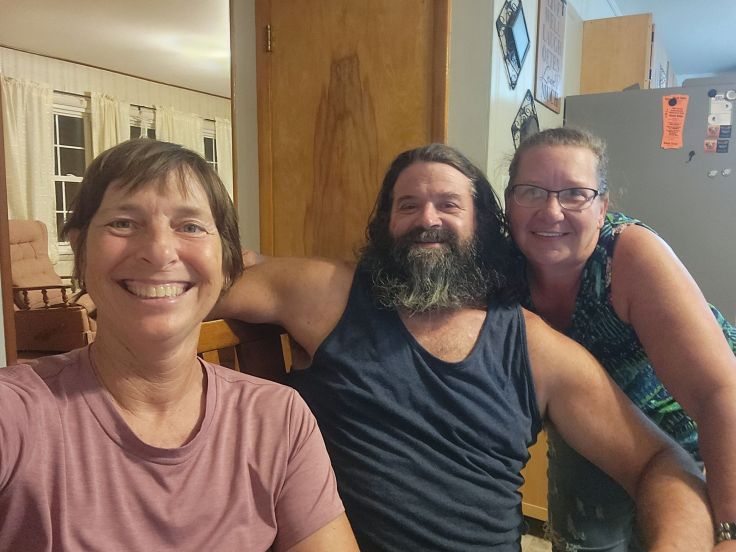
Where to next? North or east?
 FitHippie Adventures
You are doing it right, Darlin’. The small towns bypassed by freeways are what made our country great. I know we pass them by the dozens in our trips, but we really try to stop and look at these small, beautiful gems as often as time will permit.
We are already planning CVMA 2026 in Syracuse NY. We finally get a chance to see Niagara Falls. Hope to see you in Syracuse, OR BEFORE!
Chief
LikeLike