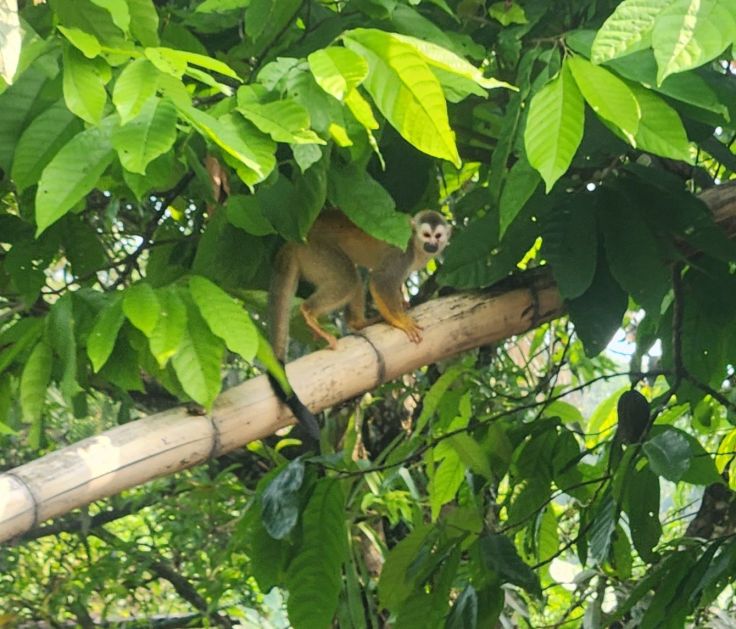
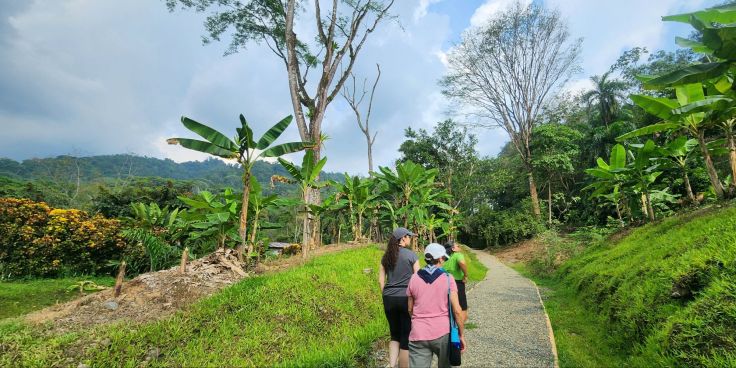
Knowing that I have limited time here in Costa Rica, I’m taking advantage of every opportunity that presents itself. My first adventure was visiting a small, private farm in the nearby town of Londres (London) with educational gardens that show how organic vanilla, coffee, and chocolate are grown and processed. The only other people on the excursion were a vacationing mother-daughter duo. As soon as we got to Londres, approx. 30 minutes away, our driver pulled off the road so we could see some squirrel monkeys up close.
Squirrel monkeys are found primarily along the Pacific cost of Cost Rica and are the smallest primates found in the country (1-2 lbs). They eat mostly insects, fruits, leaves, and sometimes, small animals. Unfortunately, like many species on earth, they are vulnerable due to habitat loss and deforestation.
Our intrepid tour guide, Karla, led us on a tour of the vanilla, coffee, and chocolate farm educational garden. She was extraordinarily knowledgeable about everything from the planting and processing of vanilla, coffee and cocoa, to the particulars about the wildlife all around us. I learned so much during my time with her.
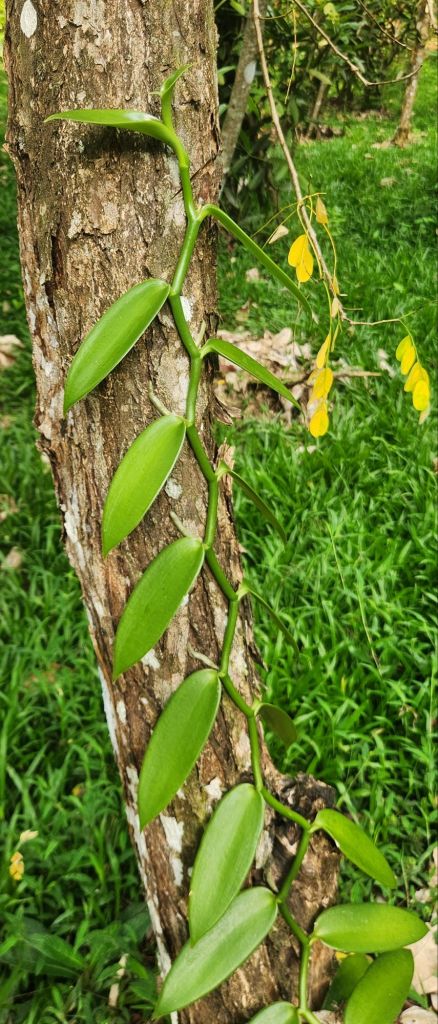
Though vanilla vines have grown wild in Costa Rica for thousands of years, it is only within the last few decades that it as been cultivated as a commercial product. Produced by a small number of growers, Costa Rica’s unique vanilla flavoring is only found in fairly limited supply.
I was surprised to learn that modern vanilla beans are the product of hand-pollinated orchids. Orchid flower opens for only a single day each season to allow for pollination. If not pollinated, the flower will die and produce no beans. If the flower is pollinated, it takes about 9 months for to beans form and ripen. After harvesting, the curing process takes another 3-4 months.
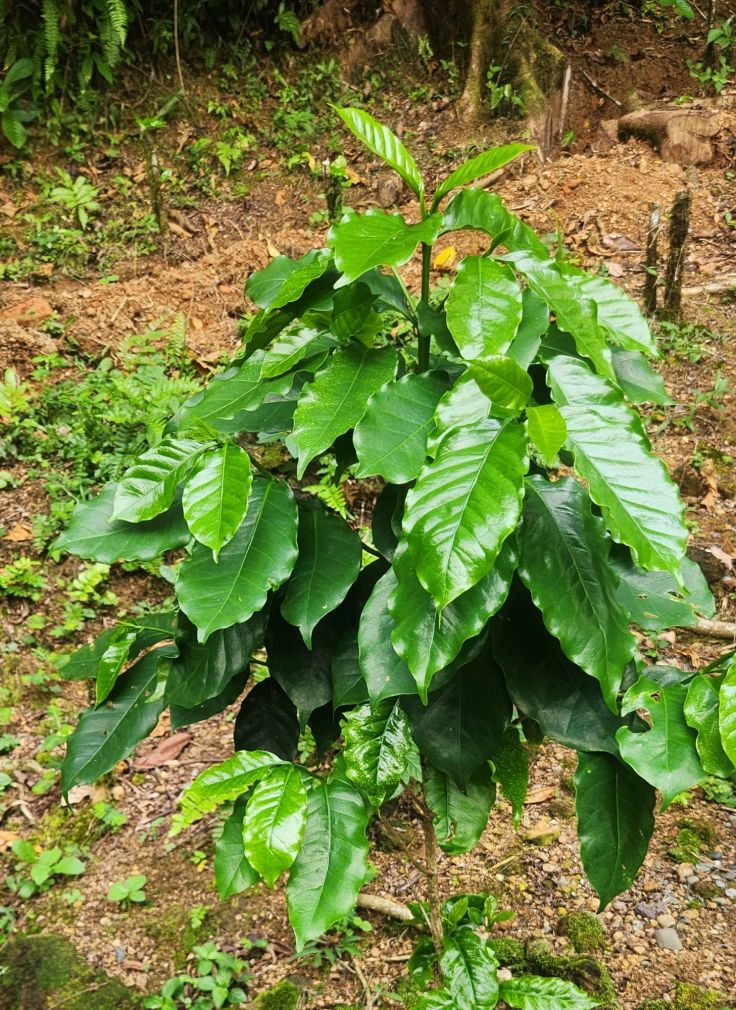
First introduced to Costa Rica in the late 1700s, coffee has been a growing source of revenue for the country. With a year-round perfect growing climate, the country produces beans that are translated into high-quality, rich, smooth coffee.
Like cocoa, coffee plants can grow globally in only in a small tropical belt near the equator, and typically only under the protective canopy of other trees to protect it from too much direct sun. Coffee beans, or cherries, take about 8 months to produce in clusters along the branches and must be hand-picked. In terms of the final, roasted coffee bean product we see in the store, a healthy tree can produce only about one pound a year. The growing, picking, and processing is arduous, so stop and give a little gratitude over your morning cup of java!
Cocoa, the source of chocolate, has been a part of Costa Rica’s history, culture, and economy for centuries. Indigenous tribes like the Chorotega, Huetares, Cabecar, and Bribri considered cacoa a sacred gift from the gods and used it in religious ceremonies as well as a form of currency. (Sibo)
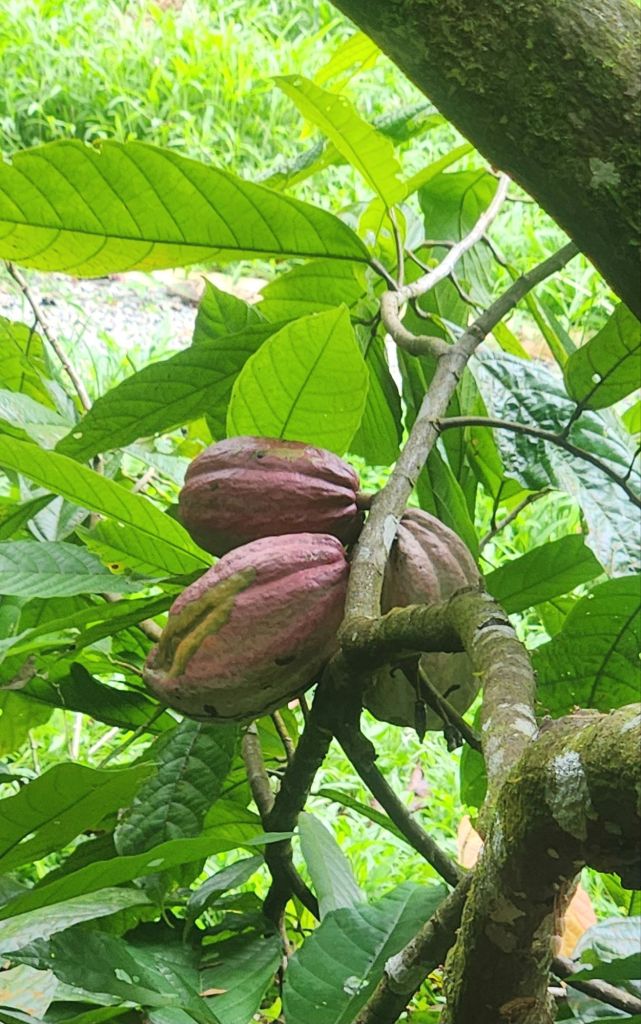
Cocoa beans are harvested from pods that grow on the trunks and branches of cocoa trees. Pods take 5-6 months to ripen and are then opened about 10 days after harvesting where they undergo a delicate fermentation process. Fermentation and drying processes are critical to the final flavor profile of chocolate.
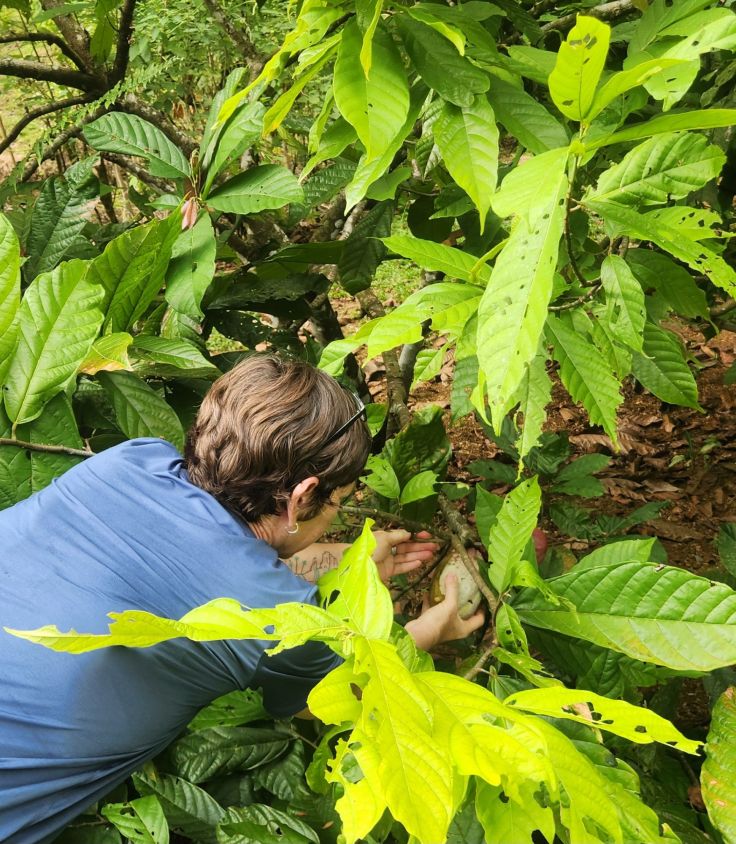
We found a ripe pod, so Karla had me pick it so we could open it later.
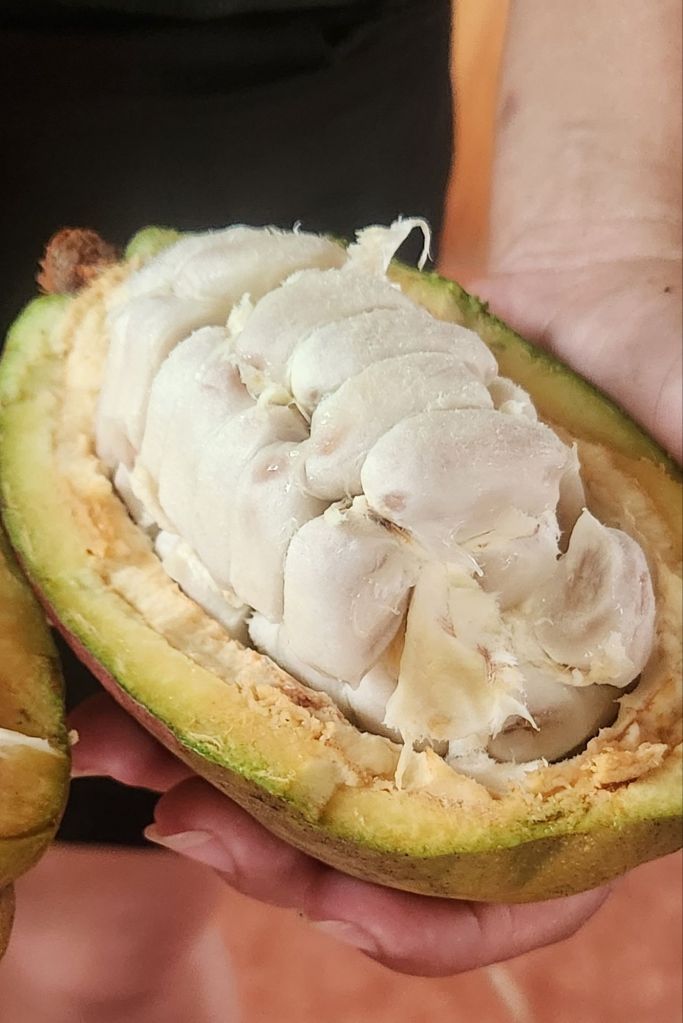
Each cocoa pod contains 20-60 cocoa beans that are covered in a moist, somewhat slimy, pulp. This mucilage is critical for the fermentation process and contributes to the characteristic modern taste of chocolate. I popped a pulp covered seed into my mouth to taste the raw product. With a high sugar content, the pulp is sweet and fairly tasty.
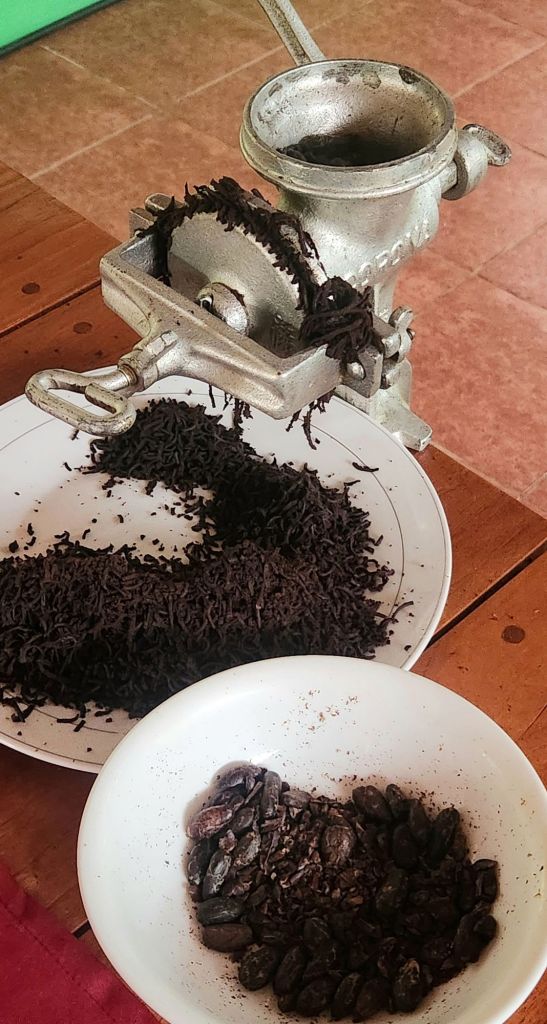
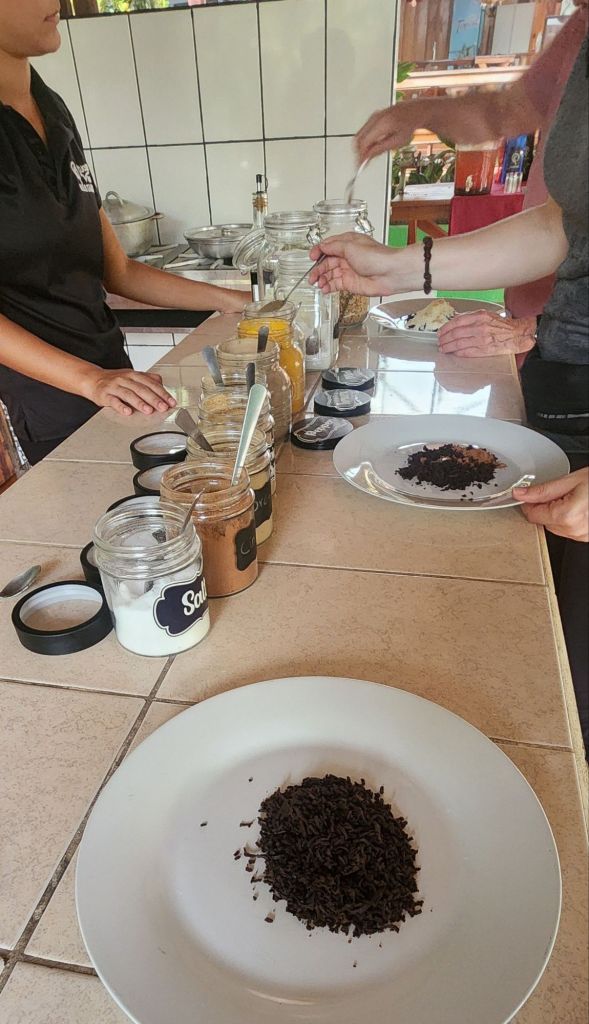
We ground up some cocoa beans, that had already been fermented and dried, in an old-school grinder to use as an ingredient in a few things we prepared later.
We each got to add ingredients to our raw, ground up cocoa beans to make a chocolate bar. I added a little sugar, powdered milk (not enough to make it milk chocolate, just enough to cut the bitterness), vanilla extract, salt, and turmeric. After kneading and shaping, we put them in the freezer to solidify. Delicious!
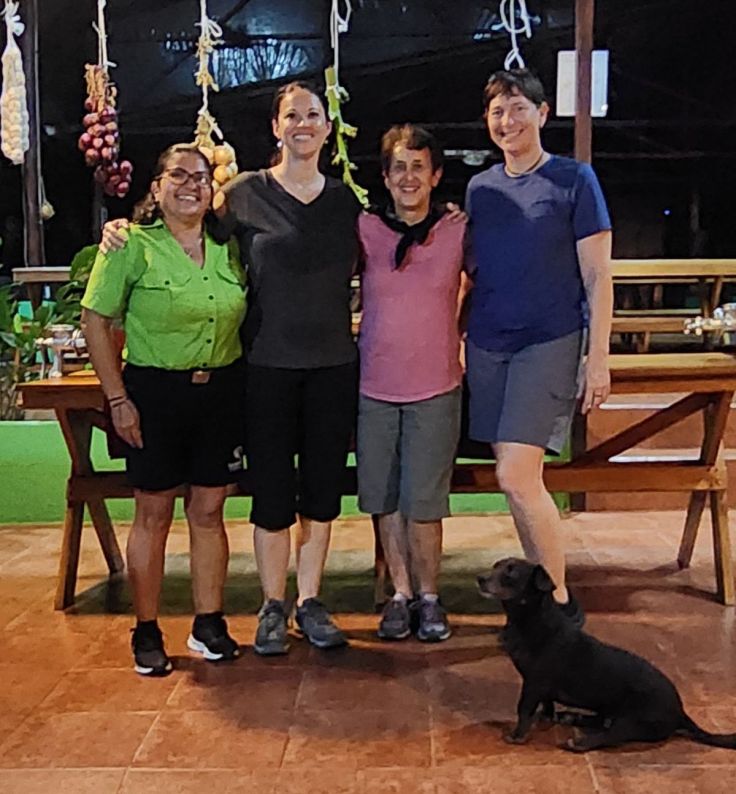
We topped off a freshly prepared meal of pollo (chicken), Gallo Pinto (beans and rice), salad, and fried plantains with beverages and dessert made from the coffee and cocoa beans we ground. Traditionally prepared Costa Rican coffee (unique pour over method my hosts use) has a richness I’ve never tasted in any commercially prepared product. The cookies and chocolate beverage we made from the ground cocoa beans were also scrumptious! In photo: Karla (guide extraordinaire!), Rebekah, Lynn, me and Chocolate (the farm dog).
The tour was more than just plants and food though. In addition to the monkeys on the drive out to the farm and the toucan birds we saw while there, we also happened upon an outdoor children’s dance class on the ride home. After being granted permission, we watched the children learning and performing traditional Costa Rican dance, in customary attire, under the bright lights of what appeared to be some type of small open arena. I didn’t take any photos since they were children and weren’t performing for our entertainment. The whole scene was quite special though and will hopefully live for a long time in my memory even without pictures.
The whole experience was awesome and a great way to kick off what I plan to be a series of excursions while I am here. Off to the next adventure!


 FitHippie Adventures
Thanks for sharing! So interesting to hear about the process of harvesting both coffee and chocolate.
LikeLiked by 1 person
That is way cool! You had me at chocolate!
Chief
LikeLiked by 1 person
Thanks for sharing your adventure! Enjoy!
LikeLiked by 1 person